Does ACTOR need new receivers or antennas?
No. ACTOR works with standard COTS antennas and the systems you already have: no cryptographic upgrades and no multi-antenna arrays.
Which constellations does it cover?
ACTOR covers GPS, Galileo, and BeiDou.
What is the difference between GPS jamming and GPS spoofing?
Jamming overpowers satellite signals so the receiver loses them, which is easy to notice. Spoofing replaces them with convincing counterfeits, which is not. ACTOR detects spoofers, and it can also detect when your platform’s GNSS is being jammed.
How is this different from protocol checks?
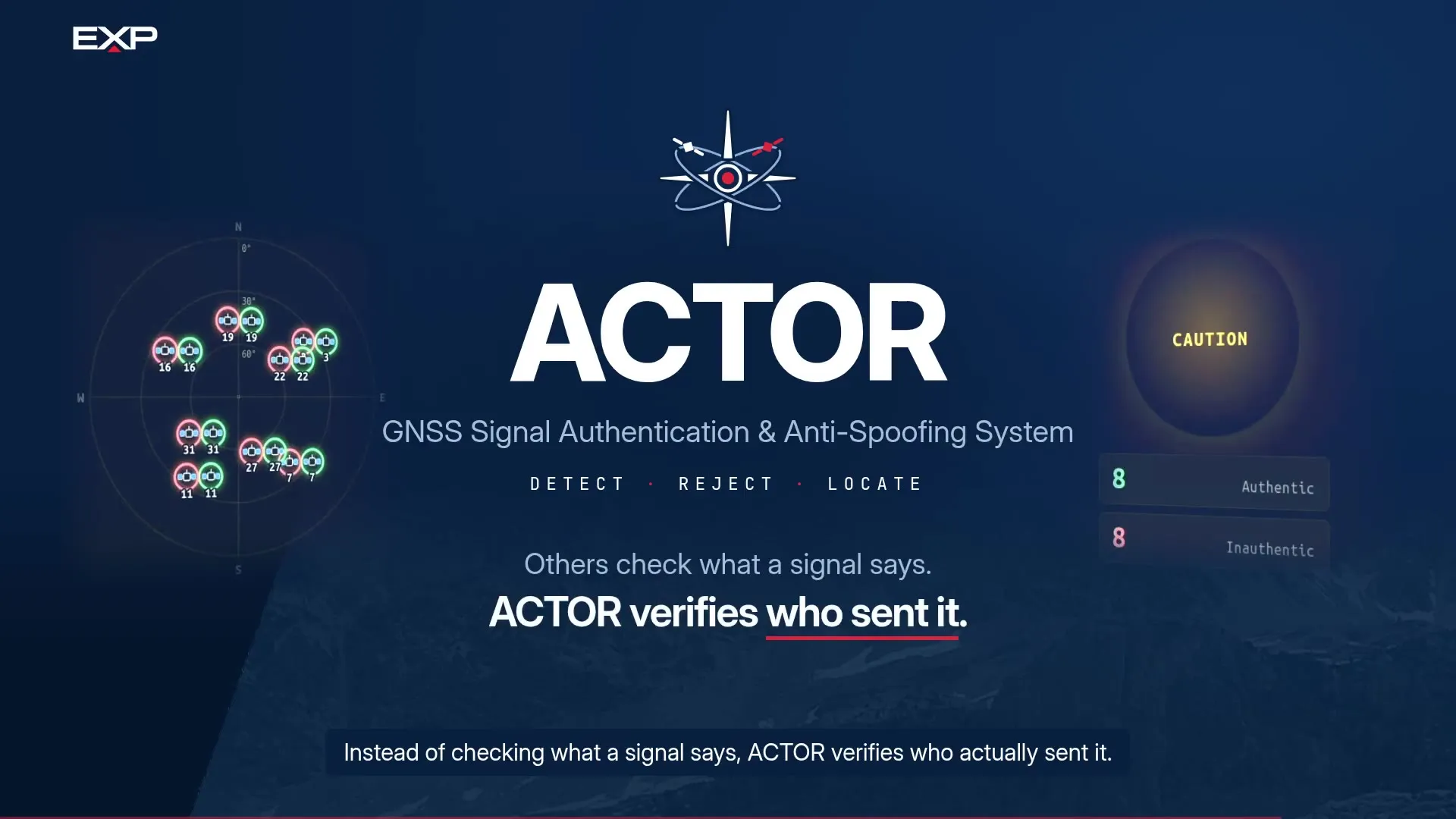
Protocol checks look at what a signal says, and a protocol-perfect spoofer passes them. ACTOR fingerprints the hardware that sent it, which a spoofer cannot copy.
Has it been tested against real spoofers?
Yes: in field testing at PNTAX, White Sands Missile Range, and at the Johns Hopkins APL NAVSIL.
What is GNSS spoofing?
GNSS spoofing is the broadcast of counterfeit satellite signals to make a receiver compute a false position or time. The receiver treats the fake signals as real, so its instruments can read normal while the platform is steered off course.
How does ACTOR detect GNSS spoofing?
ACTOR uses RF fingerprinting to authenticate the transmitter, not the message. Every satellite’s transmitter has tiny hardware imperfections that leave a fingerprint on its signals. Selene, EXP’s RF fingerprinting engine, learns those fingerprints from authentic signals and checks each signal against them in real time.
What platforms does ACTOR run on?
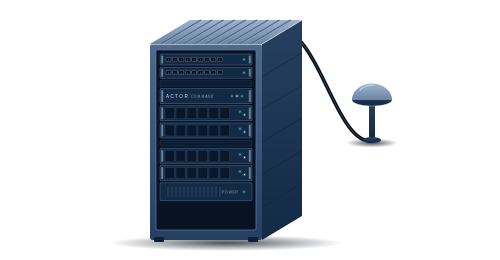
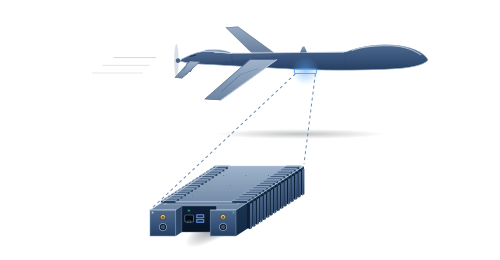
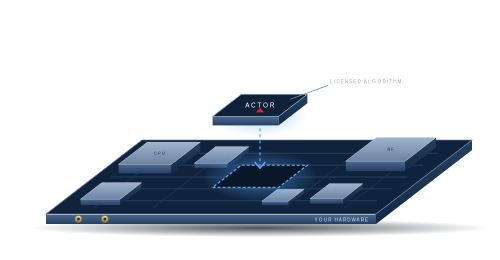
ACTOR comes in two forms: Command, a rack-mount GPU system for fixed sites, and Scout, a low-SWaP FPGA system for small tactical platforms. The ACTOR algorithm can also be licensed to run on hardware you already field.
Can ACTOR locate the spoofer?
Not yet. Today, ACTOR works out the false position the spoofer is pushing and records the spoofer’s hardware fingerprint to help with attribution. Networked nodes that geolocate the spoofer by multi-node TDOA are on the roadmap.